In Production
The Gretas
Groomed online by a Stockholm gang, two teenage outcasts both named Greta are manipulated into their first kill. As they're pulled deeper into Scandinavia's criminal underworld, they learn a brutal truth: there's no such thing as just once—and revenge is never as sweet as it sounds.

Terry's Last Good Time
Terry left Woodstock in '69 and never went home. Fifty years later, he'd built a cannabis empire disguised as a courier company, embraced libertarianism, and maintained a careful heroin habit he swore would let him live forever. But forever got old. Now he's making his final delivery—700 pounds of weed, plus party favors—to The Kid, a New York private chef who's spent a decade pretending his side hustle doesn't define him. Terry continues on to Miami where he will go out in style with his last big party. One man's exit becomes another's reckoning with a life lived in the margins, never quite growing up, never quite getting out.

In Development
Lovely, Bita
When a philandering Russian businessman's secret affair with an artist spirals into kidnapping and murder, his double life threatens to collapse in spectacular fashion. Told through the eyes of his wife Bita—a bread-baking enthusiast with a sardonic streak—who watches from the sidelines with quiet satisfaction as her husband's world implodes and he makes an absolute fool of himself.

Maggie Ako
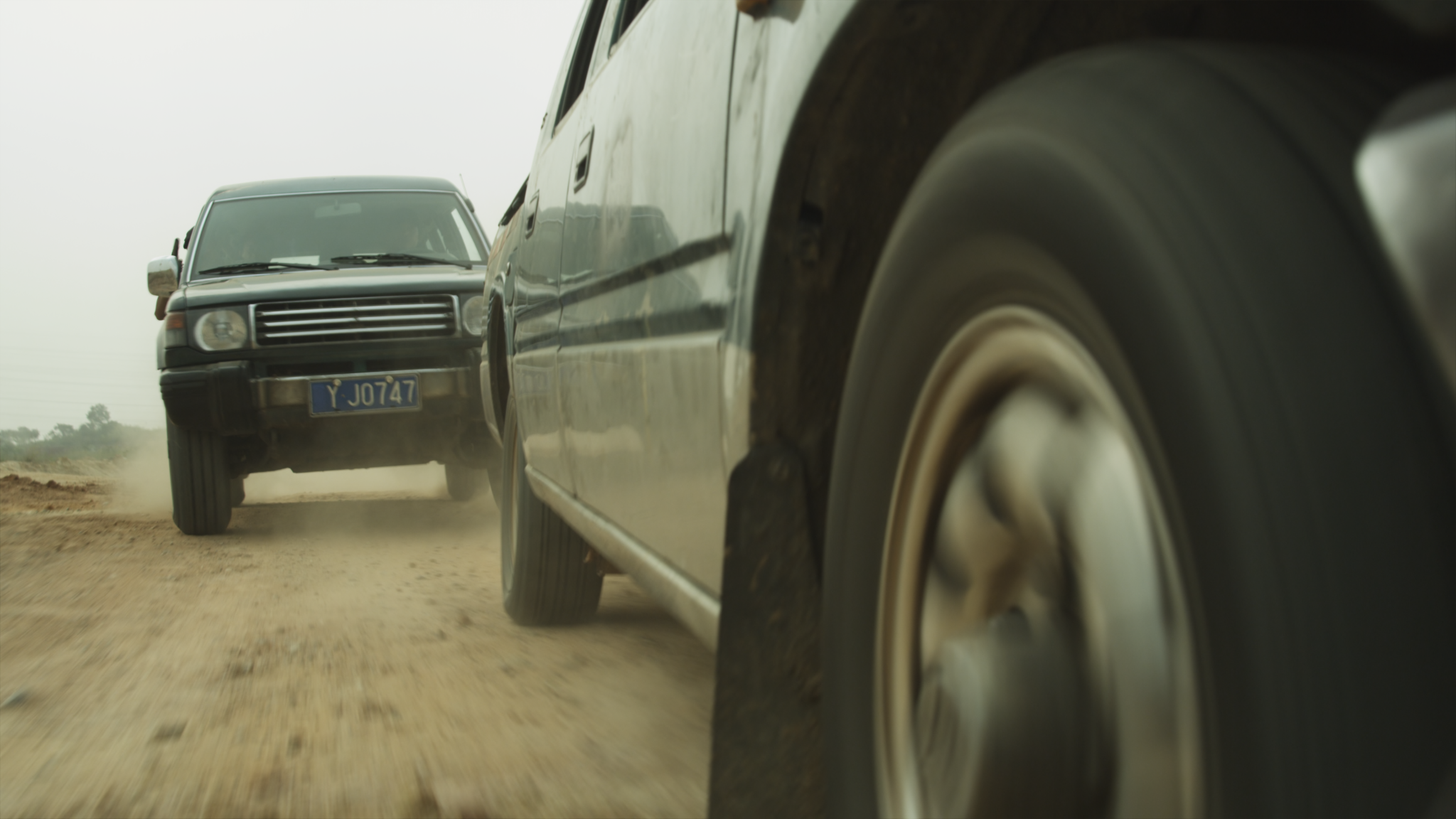
A Cambridge PhD candidate in computer science and her online hacking group join forces to take down predatory scammers for social media, but when their digital vigilantism uncovers a dangerous international drug and human smuggling operation, Maggie chooses to jump into a high-stakes conspiracy spanning three continents. Armed with her smarts and her digital support, she befriends an ex-military operator to track down the traffickers—culminating in a desperate race across the Sahara in Dakar-inspired vehicles to free the kidnapped women before they disappear forever.
Madonna of the Wasps
Laurel, a high-powered investment banker specializing in AI and data centers, is forced to fly commercial while closing the deal of her career. When airport security suspects she's smuggling drugs, a scan reveals something worse—a massive tumor. Rather than fight it, Laurel abandons everything: the deal, the life, the identity she built. But after decades of nothing but work, she has no idea how to actually live. A meditative one-woman journey follows as she travels, reflects, and searches for meaning in her final days—until death arrives without warning, as indifferent to her plans as she once was to her own life.

Untitled Domestic Expert Episodic
The Kid left a Michelin-starred kitchen to become a private chef on the Upper East Side—six figures, a Prada allowance, and a bedroom in the building's old storage closet. His coworkers: Fe, a globe-trotting Filipino nanny with an Air Supply obsession and a nanny-coaching empire; and Hyacinth, a Jamaican housekeeper who hates her own family but runs this one like a general. Together, they form an elite unit serving the whims of the ultra-wealthy—until the 2008 crash threatens to send them all to Ghana.